Family emergency plans
The written plan: who does what, where everyone meets, kids, older parents, pets, documents and drills.
Other sections
 Threats and scenarios
 Grid-down living
 Stockpiling
 Home defense and security
 Bug-out and evacuation
 Communications
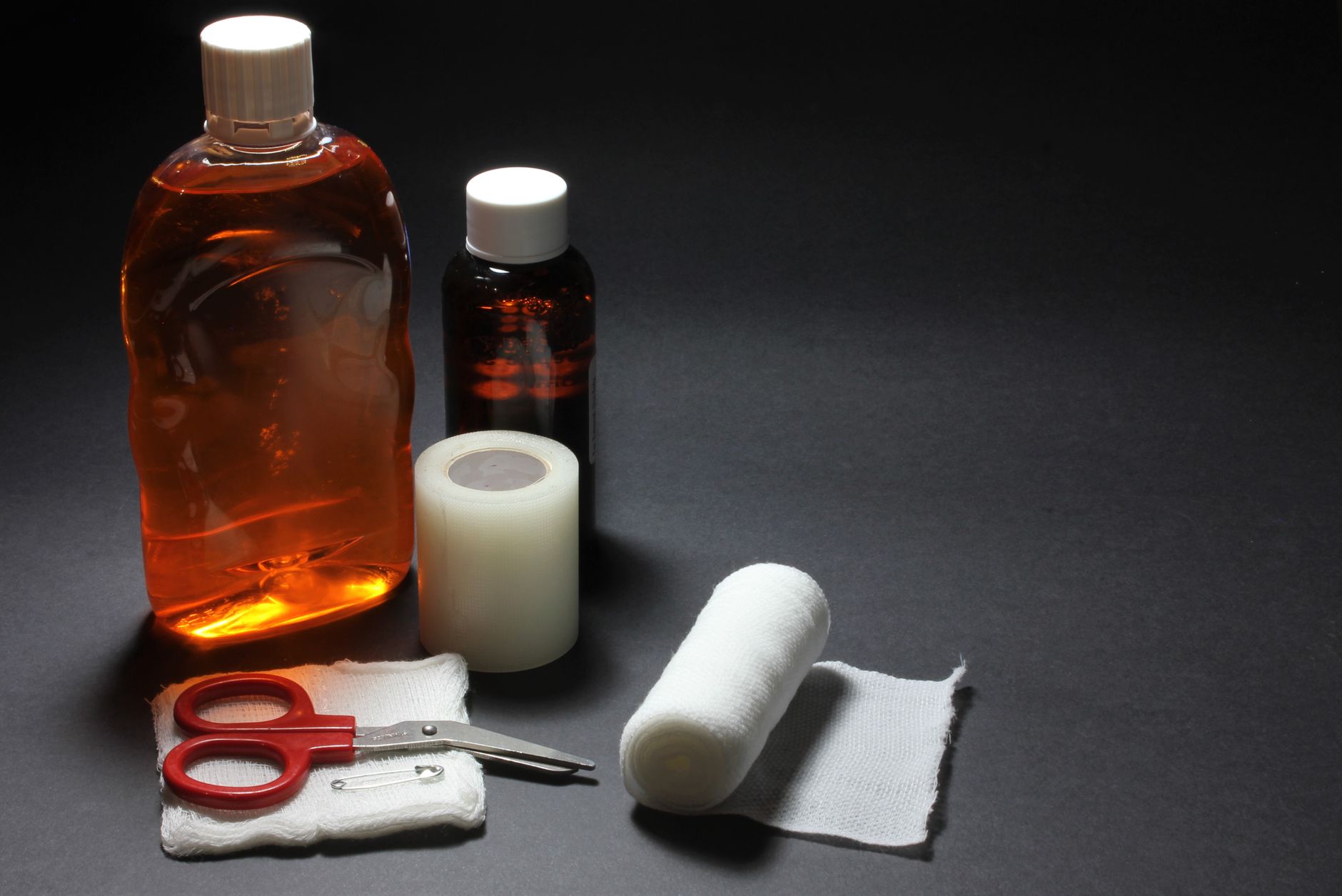 Medical when help is delayed
The plan is the cheapest prep you will ever make
A stockpile without a plan is a pile of stuff. The plan is what turns it into a family that knows what to do at 2 a.m. when the lights go out and the phones do not work. It costs paper and an evening, and it covers nearly every threat on this site.
Ready.gov's planning pages are the official template: how the household will get alerts, where it will shelter, how it will evacuate and how it will reach each other (Ready.gov, make a plan). This section goes further for the longer, rougher emergencies preppers plan for.
What this section covers
Roles
Who turns off the utilities, who gets the kids, who checks on the older neighbor, who handles the radio. Each person, written down.
Where everyone meets
One spot near the house, one in the neighborhood, one out of town, and what to do if someone does not show.
Kids in class and parents across town
School release policies, who is authorized to pick up, and walking routes home.
Older adults and pets
Medications, mobility, carriers and food, and who is responsible for each.
Documents and money
Copies of IDs, insurance and deeds, both on paper in a waterproof container and stored electronically, plus a cash reserve in small bills.
Drills
A plan you have never practiced is a guess. We cover simple drills, including a weekend with the main breaker off.
Where to start
Sit down with the household this week and answer three questions on paper: where do we meet, who do we call, and what makes us leave. Then read communications and bug-out to fill in the details.