All topics
Eight sections, each one part of getting a household through a long emergency.
 Threats and scenarios
What an EMP, a geomagnetic storm, a cascading blackout, a currency or banking crisis, civil unrest or a pandemic would actually break, in what order, and which preparations cover several of them at once.
 Grid-down living
How to keep a house livable with the power out for days or weeks: light, heat and cooling, refrigeration, water pressure, sanitation, generators and fume safety.
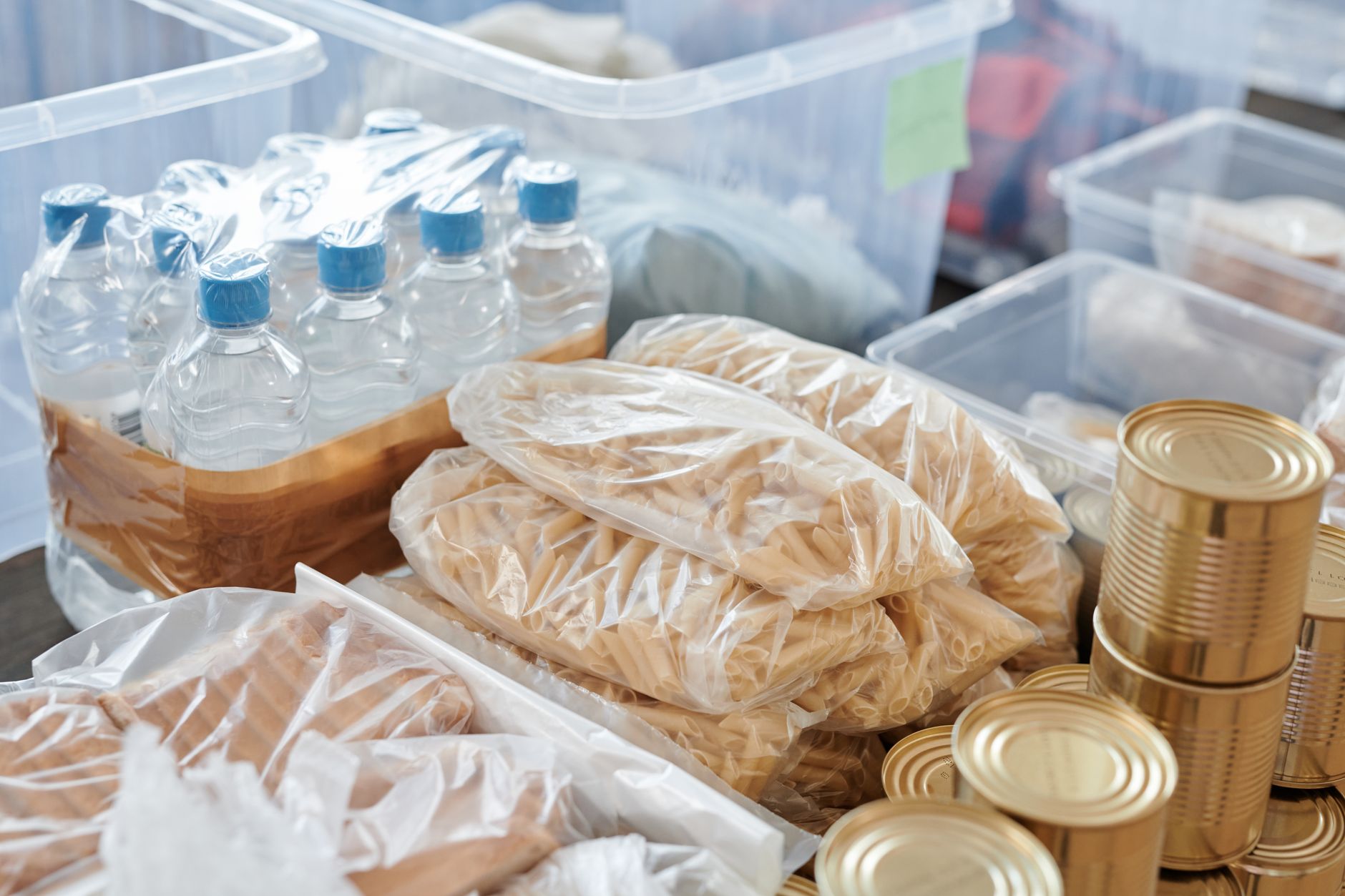 Stockpiling
Building a crisis stockpile at home: water, food, medicine, fuel, batteries, cash and hygiene, how much per person per day, where to keep it in a normal house and how to rotate it.
 Home defense and security
Securing a family home when police response is slow or absent: doors, windows, lighting and layers, operational security, neighborhood cooperation, safe-room planning and the legal limits of self-defense.
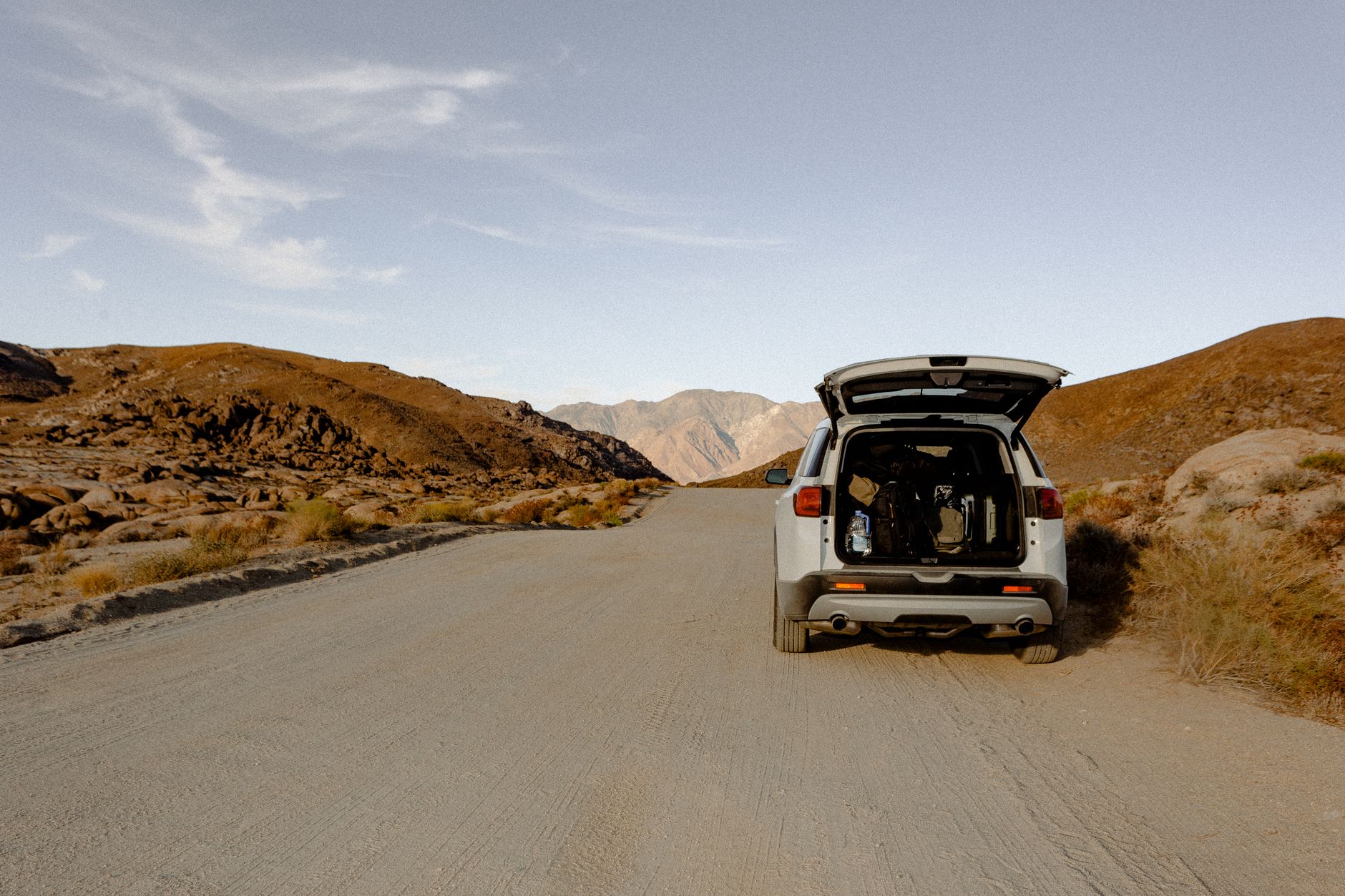 Bug-out and evacuation
Deciding between bugging in and bugging out, and planning the trip: grab bags for the car and for each person, vehicles and fuel, routes and maps, rally points and destinations.
 Communications
Staying informed and in touch when phones and the internet fail: alert receivers, AM/FM and shortwave, FRS, GMRS and amateur radio, scanners, licensing, and a written household comms plan.
 Medical when help is delayed
Handling injuries and illness when emergency services are delayed: bleeding control and trauma kits, stocking medications, chronic conditions, power-dependent medical devices, hygiene and disease prevention.
 Family emergency plans
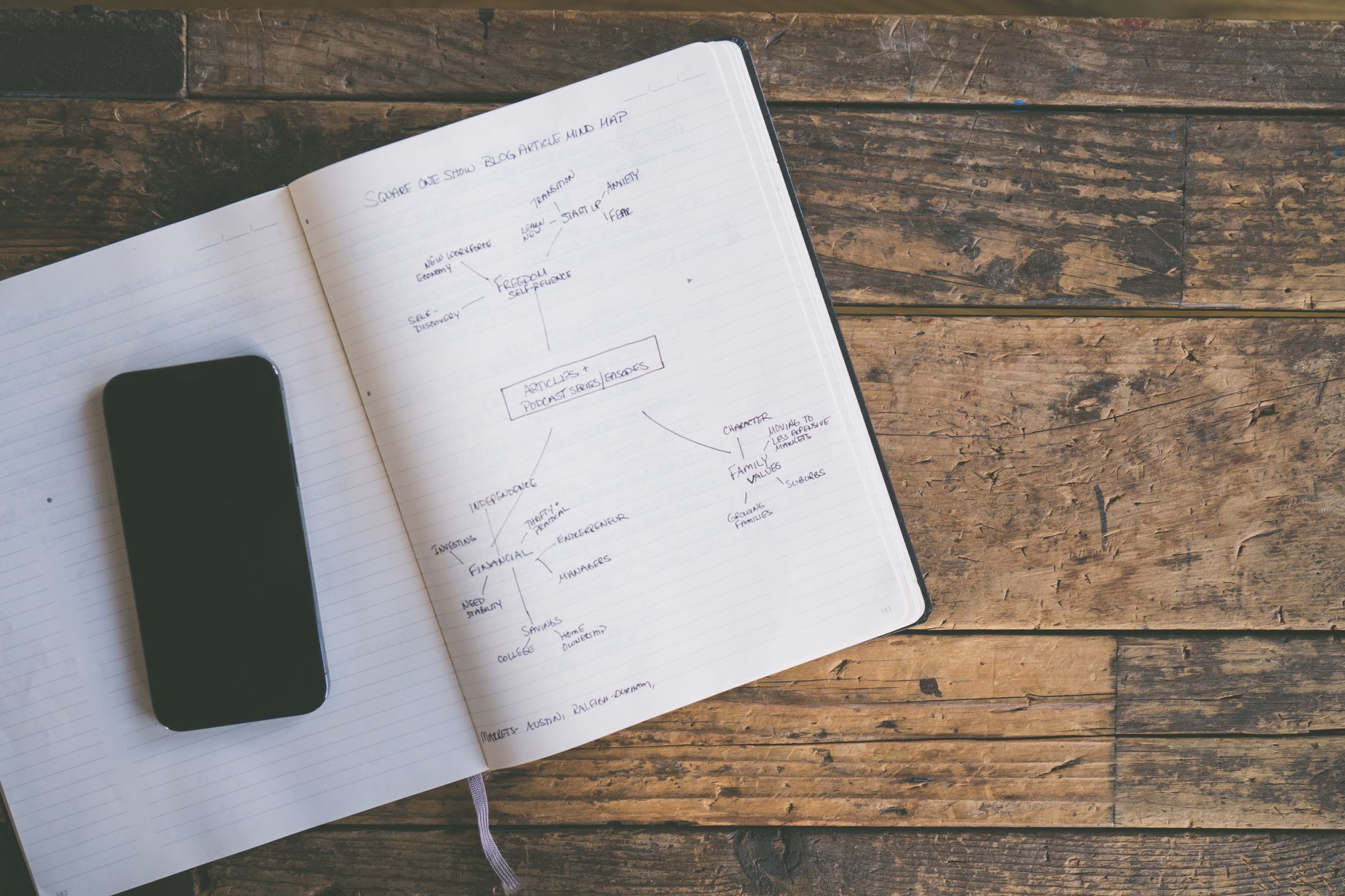
Writing and practicing a household plan for emergencies: roles, rally points, children away from home, older parents, pets, documents and money, drills, and working with neighbors.
How the sections fit together
A family plan for a long emergency has a few moving parts, and each section here takes one of them. Threats and scenarios explains what an EMP, a solar storm, a cascading blackout, a financial crisis or a riot would actually break. The next three sections are the work of staying home: keeping the house livable in grid-down living, filling it in stockpiling, and keeping it safe in home defense.
The last four cover what happens around the house. Bug-out and evacuation is for the day staying stops being safe. Communications keeps the family in touch when phones fail. Medical covers the hours before help arrives, and the family plan ties it all into something everyone in the house knows by heart.
If you only have one evening, start with the family plan. It costs nothing and every other section plugs into it.