Carbon monoxide safety when the power is out
Where the generator goes, which heaters and grills poison a house, how to keep CO alarms working with the grid down, and what to do when one sounds.
Light, heat, cooling, water, sanitation and safety in a house with the power off for days or weeks.
Where the generator goes, which heaters and grills poison a house, how to keep CO alarms working with the grid down, and what to do when one sounds.
Which heaters can warm a house with the grid down (electric on a generator, indoor-rated propane, K-1 kerosene, a wood stove) and which ones fill it with carbon monoxide.
What a family does in the first hour, day and week when the power stays out: food, water, heat, sanitation and generator safety.
Other sections
 Threats and scenarios
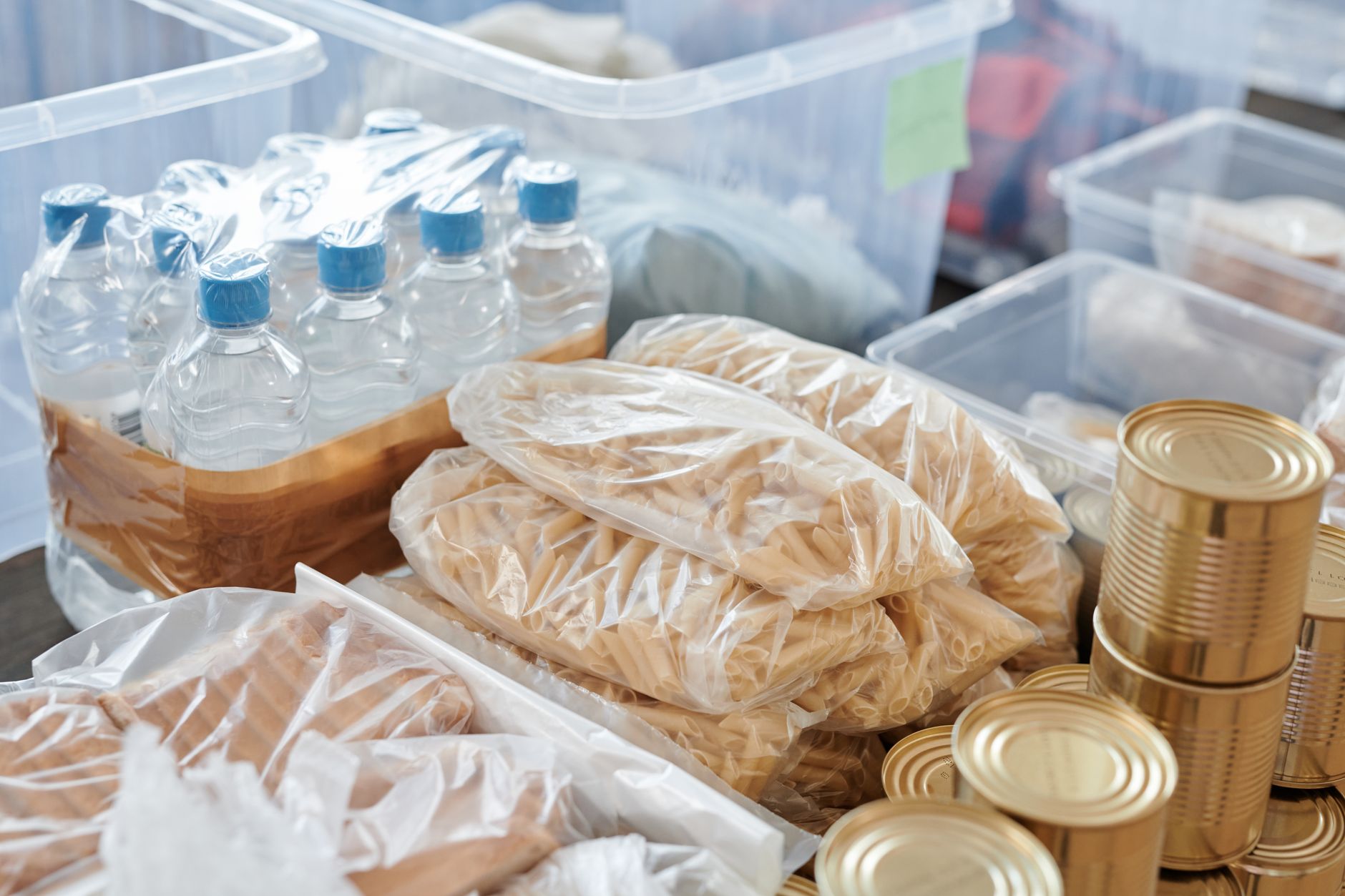 Stockpiling
 Home defense and security
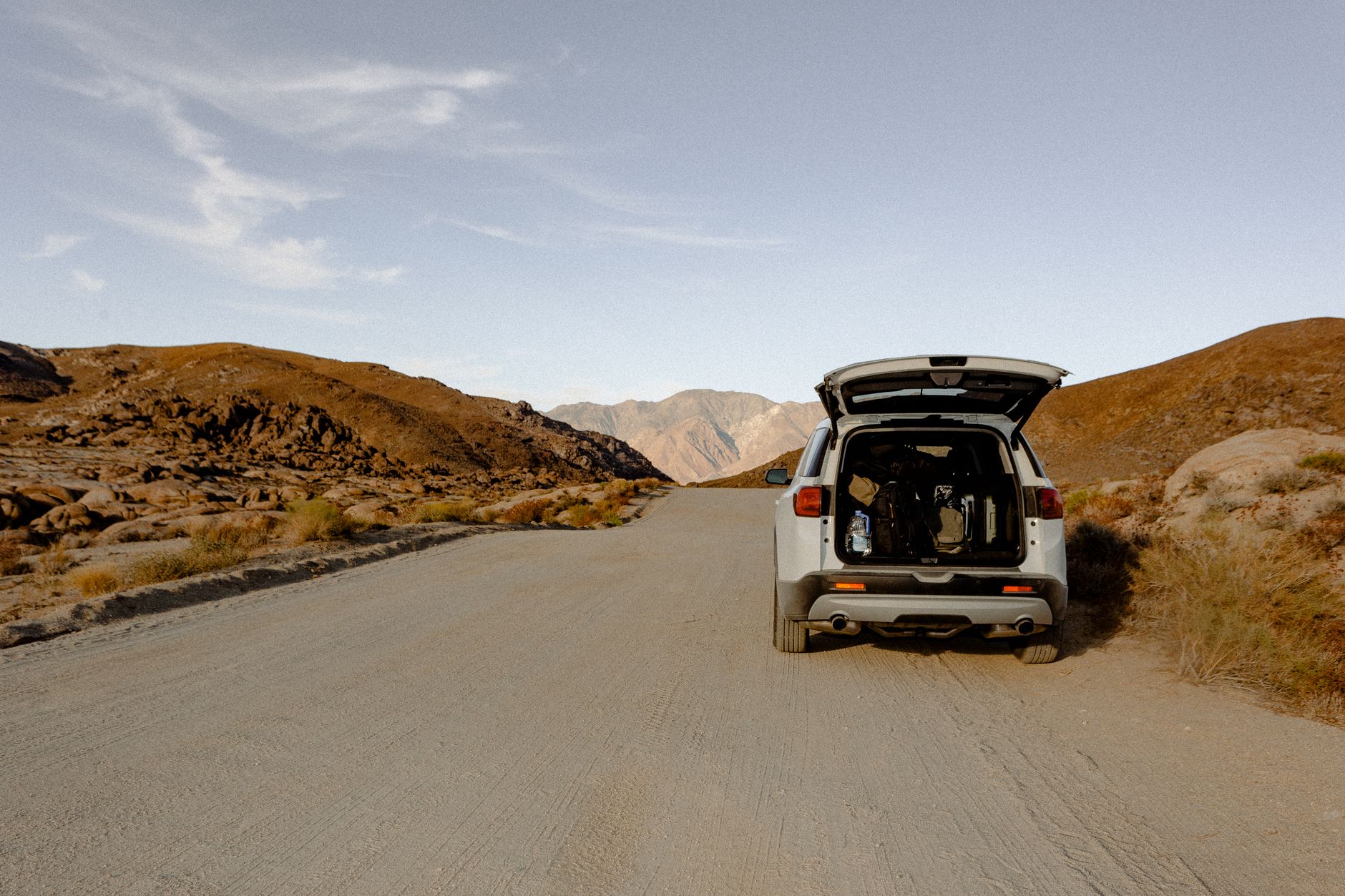 Bug-out and evacuation
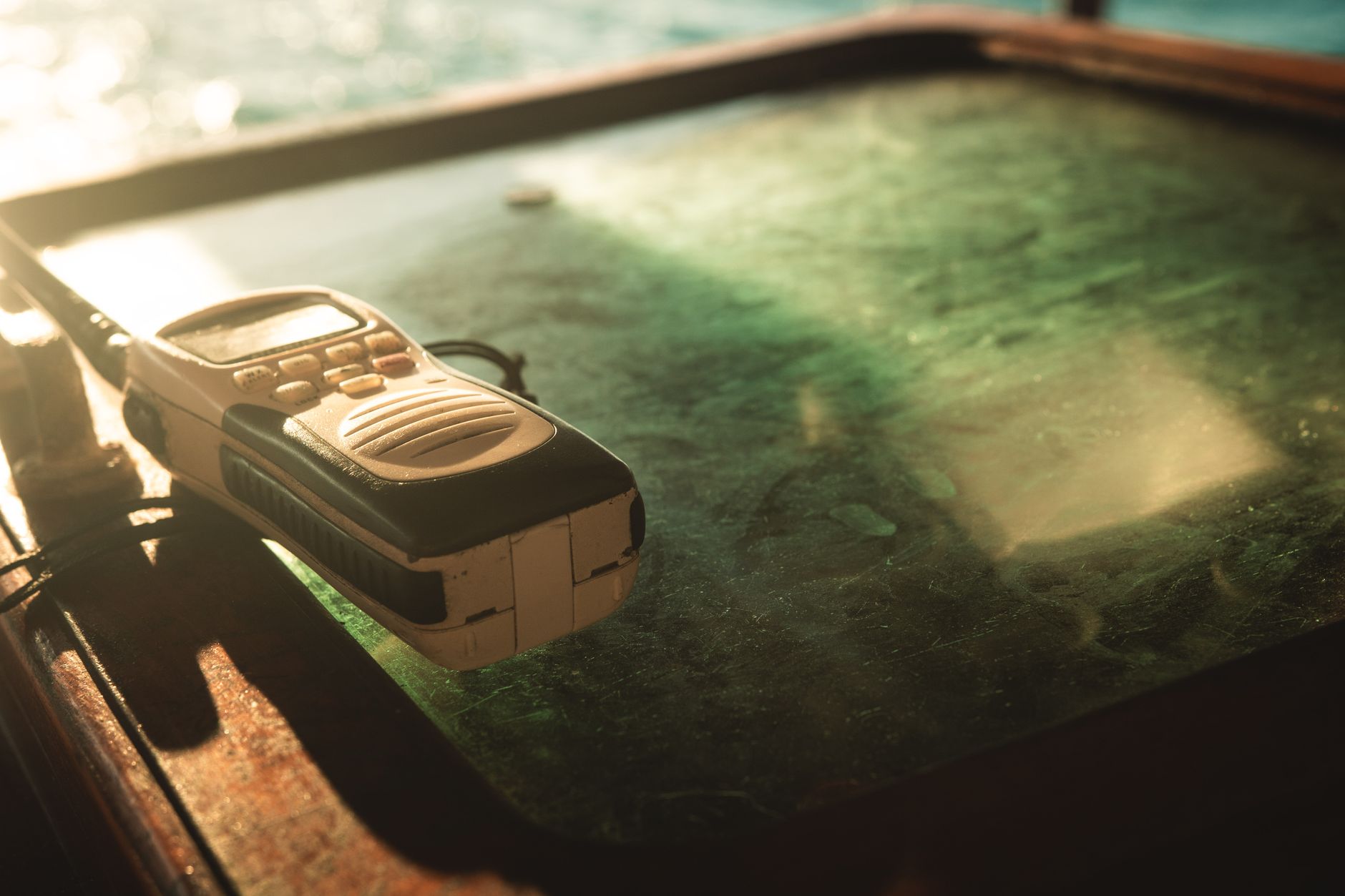 Communications
 Medical when help is delayed
 Family emergency plans
When the grid goes down, the house you live in becomes your shelter, your storehouse and your workplace all at once. The families that do well in a long outage are rarely the ones with the most gear. They are the ones who knew in advance which of their daily routines depend on electricity and had a replacement ready for each.
The federal floor is a good start: take an inventory of everything in the house that needs power, keep a flashlight for every person, and plan backup power for anything medical (Ready.gov, power outages). This section builds on that floor for outages that last longer than the official guidance assumes.
A closed refrigerator keeps food cold for about four hours and a full freezer holds its temperature for about 48, according to that same federal page. After that you need a plan to eat the perishables first and cook them safely.
Picking one room to heat or cool and insulating it comes first. Then the heater itself: our guide to safe indoor heaters for a power outage sorts electric, propane, kerosene and wood heat from the grills and job-site heaters that kill families every winter.
Generators belong outdoors, at least 20 feet from windows, doors and attached garages, and every level of the house needs a carbon monoxide detector with battery backup. Our guide to carbon monoxide safety when the power is out covers where each heater, grill and engine may run and what to do when an alarm sounds. We also cover sizing, fuel storage and running a generator quietly.
City water pressure can fail when pumping stations lose power, and rural wells stop the moment the pump does. We cover how to store, find and treat water, and how to handle toilets and trash when nothing flushes.
A lit house on a dark street is a signal. Blackout curtains, headlamps and keeping a low profile matter more the longer an outage runs.
Walk your house tonight with a notepad and list every electric thing you would miss in the first day. Then work through this section one line at a time. For the supplies themselves, see stockpiling.