EMP vs solar storm: what each would do to your house
A solar storm wrecks grid transformers but spares an unplugged phone or car. A nuclear EMP can hit the grid and your home electronics at once. How to prepare for each.
Every guide on the site, newest first, filed by section.
A solar storm wrecks grid transformers but spares an unplugged phone or car. A nuclear EMP can hit the grid and your home electronics at once. How to prepare for each.
Where the generator goes, which heaters and grills poison a house, how to keep CO alarms working with the grid down, and what to do when one sounds.
Which heaters can warm a house with the grid down (electric on a generator, indoor-rated propane, K-1 kerosene, a wood stove) and which ones fill it with carbon monoxide.
What a family does in the first hour, day and week when the power stays out: food, water, heat, sanitation and generator safety.
Size the cash your household needs when ATMs and card readers lose power: a two-week formula, which bills to hold, where to hide them and the insurance limit.
Stay home unless water, fire, toxic air or an evacuation order makes the house the danger. The triggers, the questions and the prep that let you decide in minutes.
FRS needs no license and reaches a mile or two. GMRS needs one inexpensive license with no exam and covers your relatives. Ham takes an exam and reaches farthest.
 Threats and scenarios
What an EMP, a geomagnetic storm, a cascading blackout, a currency or banking crisis, civil unrest or a pandemic would actually break, in what order, and which preparations cover several of them at once.
 Grid-down living
How to keep a house livable with the power out for days or weeks: light, heat and cooling, refrigeration, water pressure, sanitation, generators and fume safety.
 Stockpiling
Building a crisis stockpile at home: water, food, medicine, fuel, batteries, cash and hygiene, how much per person per day, where to keep it in a normal house and how to rotate it.
 Home defense and security
Securing a family home when police response is slow or absent: doors, windows, lighting and layers, operational security, neighborhood cooperation, safe-room planning and the legal limits of self-defense.
 Bug-out and evacuation
Deciding between bugging in and bugging out, and planning the trip: grab bags for the car and for each person, vehicles and fuel, routes and maps, rally points and destinations.
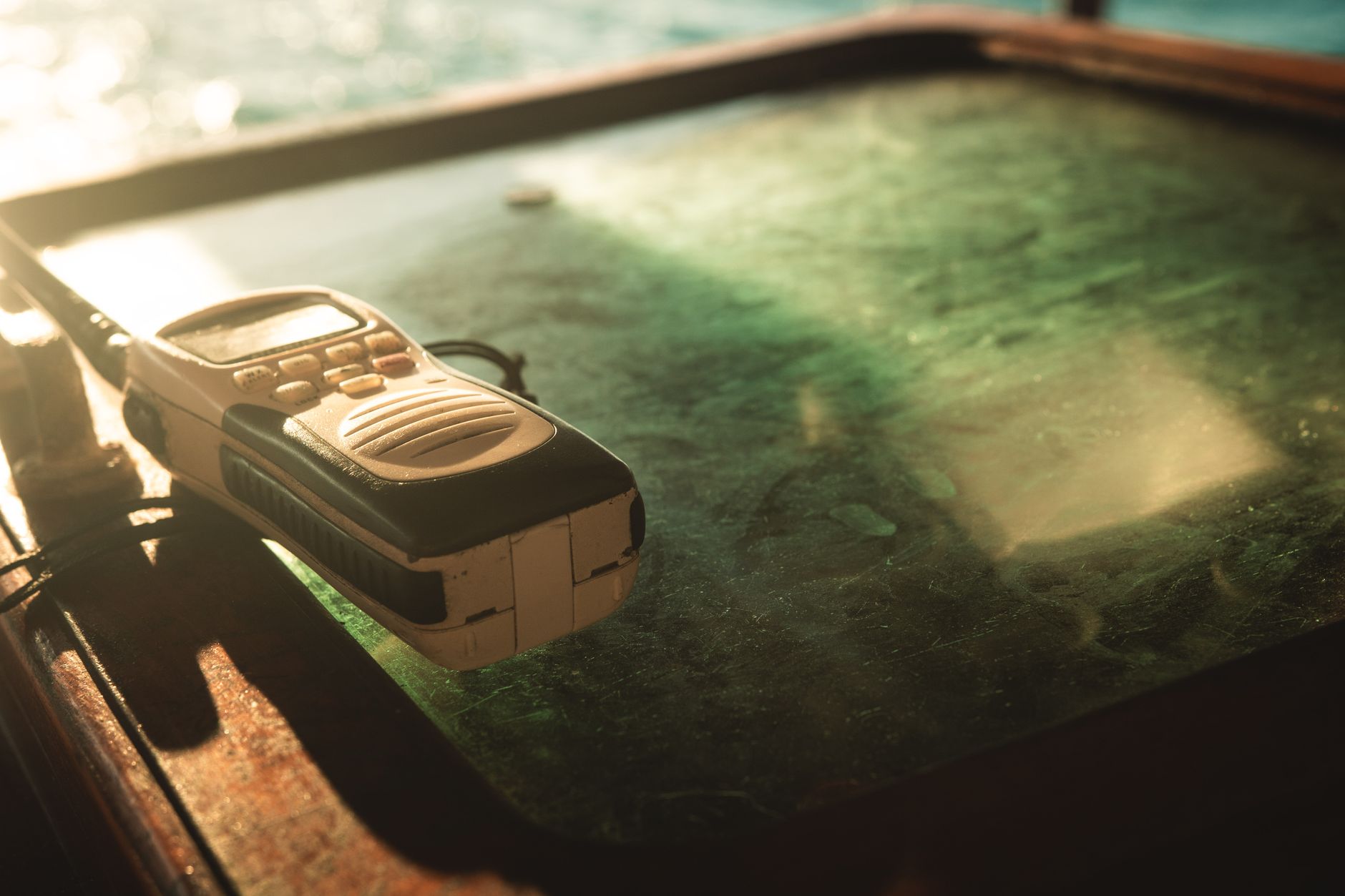 Communications
Staying informed and in touch when phones and the internet fail: alert receivers, AM/FM and shortwave, FRS, GMRS and amateur radio, scanners, licensing, and a written household comms plan.
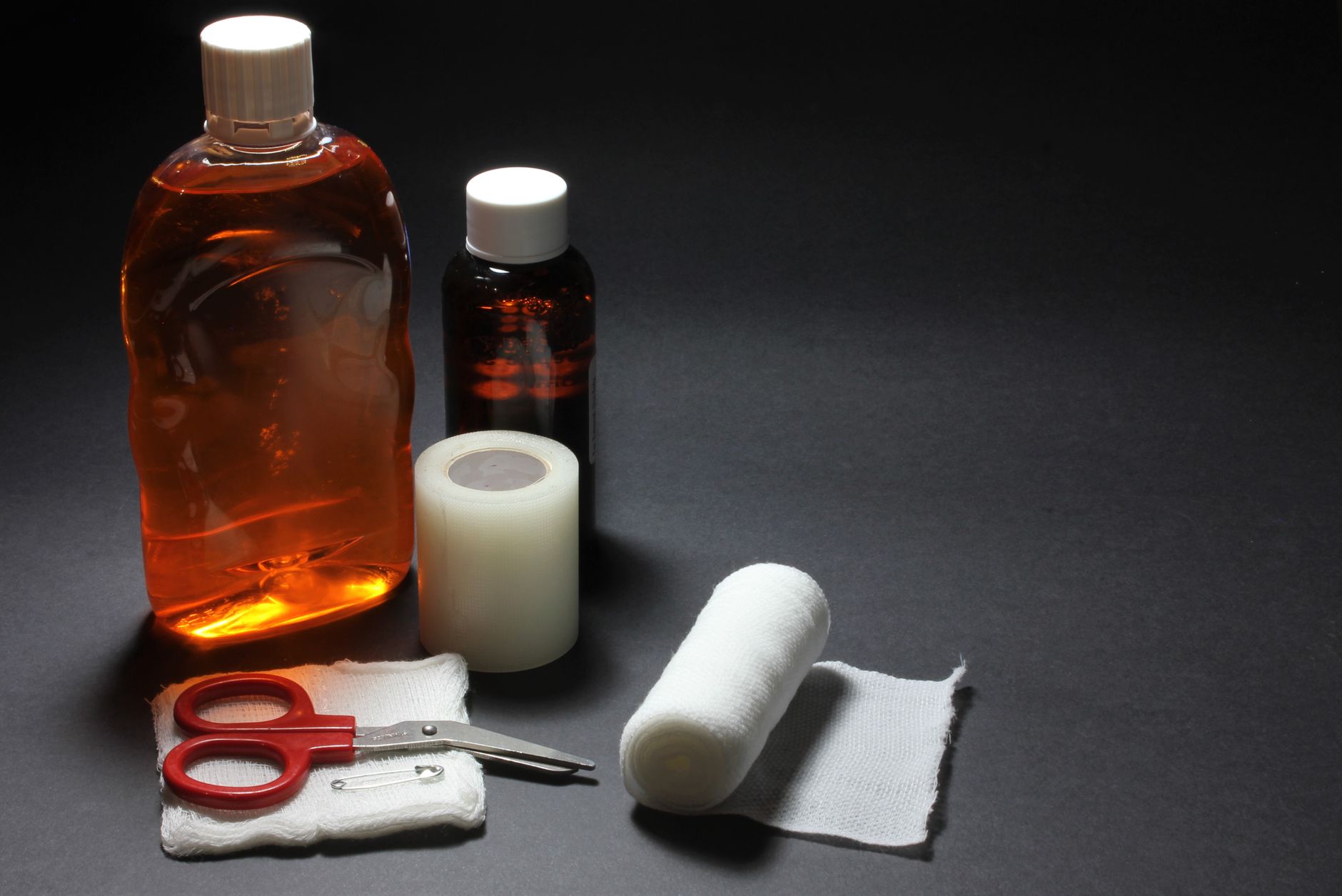 Medical when help is delayed
Handling injuries and illness when emergency services are delayed: bleeding control and trauma kits, stocking medications, chronic conditions, power-dependent medical devices, hygiene and disease prevention.
 Family emergency plans
Writing and practicing a household plan for emergencies: roles, rally points, children away from home, older parents, pets, documents and money, drills, and working with neighbors.
New to preparing? Read grid-down living first, because a long power outage is the emergency most American households will actually face, and almost everything else on this site builds on it. Then move to stockpiling for the supplies and the family plan for the paperwork. Each section page lists its own articles, and all topics shows the whole map on one screen.