Carbon monoxide safety when the power is out
Where the generator goes, which heaters and grills poison a house, how to keep CO alarms working with the grid down, and what to do when one sounds.
Grid-down preparedness for American families
Plain, sourced guides on EMP, long blackouts, collapse and unrest, and what a family does about each one.
1 gal
water per person per day
48 hrs
a full freezer stays cold
20 ft
generator to any window
8
sections to prepare by
 Threats and scenarios
EMP, solar storms, long blackouts, economic collapse and unrest: what each one breaks, and how fast.
 Grid-down living
Light, heat, cooling, water, sanitation and safety in a house with the power off for days or weeks.
 Stockpiling
What to stock, how much per person, which corners of an ordinary house hold it, and how to use it up before it goes bad.
 Home defense and security
Hardening doors and windows, layered security, keeping a low profile and protecting your family when help is slow.
 Bug-out and evacuation
When to stay and when to go, what goes in the bags, which vehicle, which route, and where the family meets.
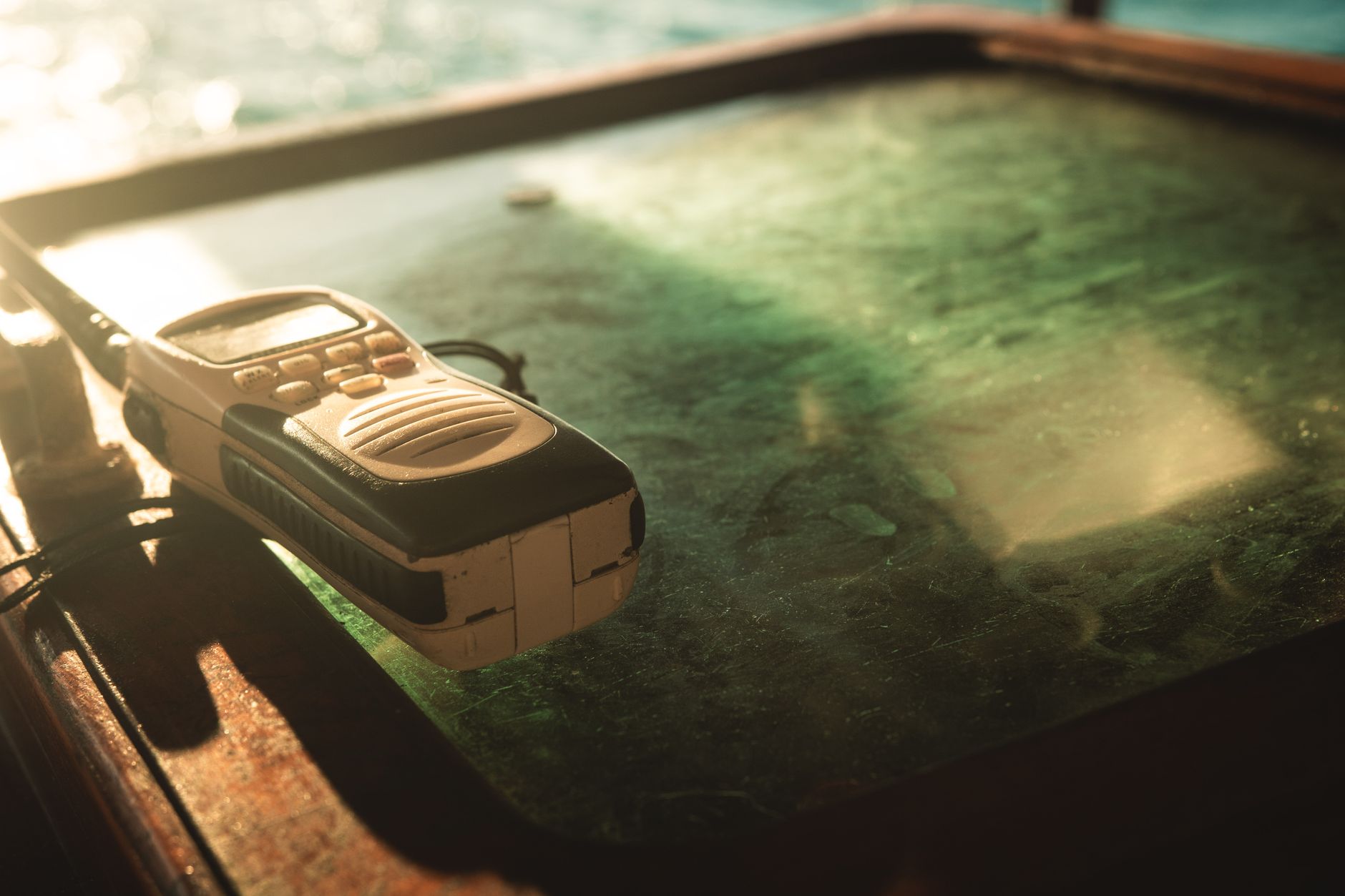 Communications
Radios, licenses and a written plan for reaching each other when cell towers and the internet go quiet.
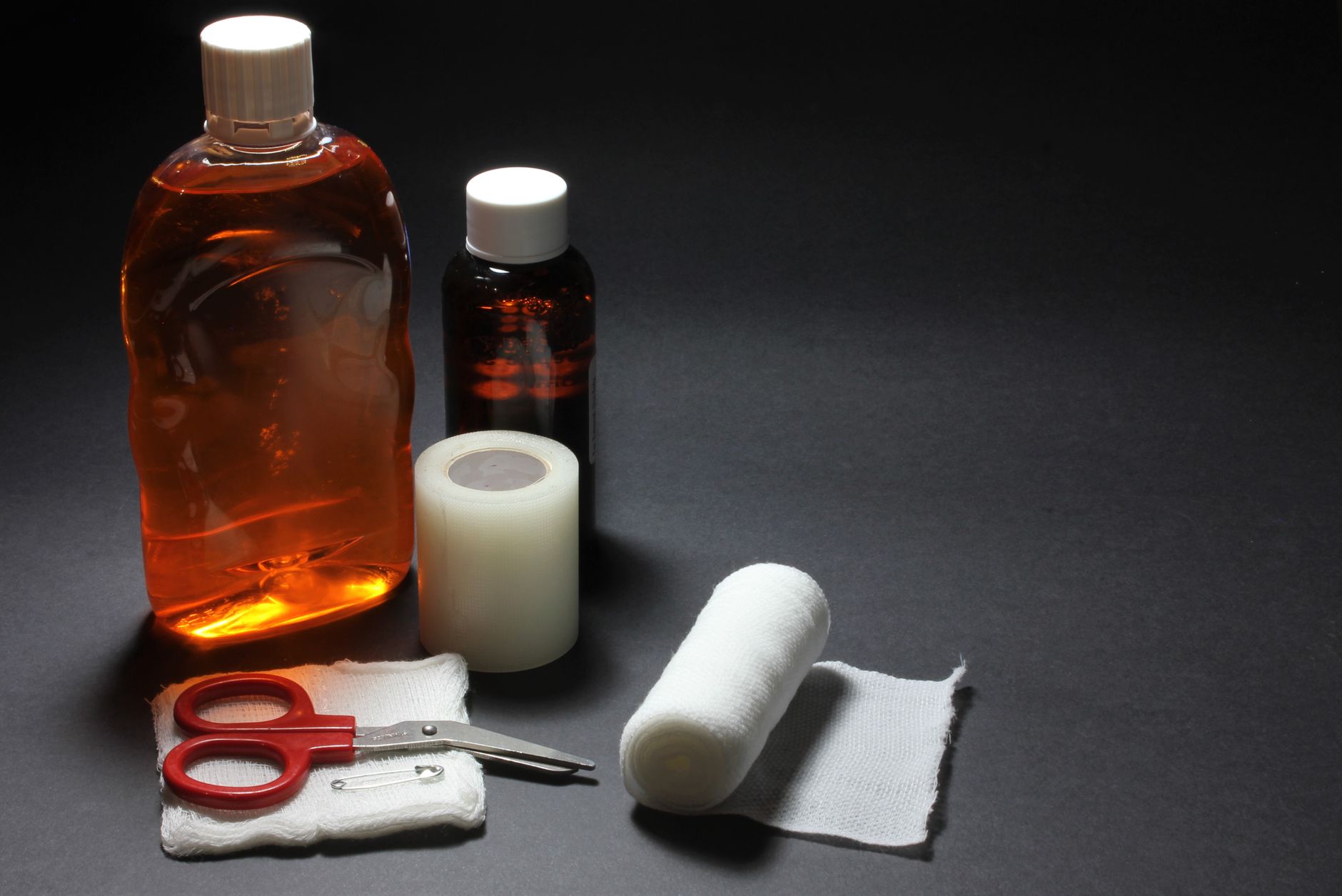 Medical when help is delayed
Stopping bleeding, a kit for injuries, medications and sanitation for when the ambulance is not coming soon.
 Family emergency plans
The written plan: who does what, where everyone meets, kids, older parents, pets, documents and drills.
Where the generator goes, which heaters and grills poison a house, how to keep CO alarms working with the grid down, and what to do when one sounds.
Size the cash your household needs when ATMs and card readers lose power: a two-week formula, which bills to hold, where to hide them and the insurance limit.
A solar storm wrecks grid transformers but spares an unplugged phone or car. A nuclear EMP can hit the grid and your home electronics at once. How to prepare for each.
FRS needs no license and reaches a mile or two. GMRS needs one inexpensive license with no exam and covers your relatives. Ham takes an exam and reaches farthest.
Which heaters can warm a house with the grid down (electric on a generator, indoor-rated propane, K-1 kerosene, a wood stove) and which ones fill it with carbon monoxide.
Stay home unless water, fire, toxic air or an evacuation order makes the house the danger. The triggers, the questions and the prep that let you decide in minutes.
Most of what this site covers starts the same way: the power goes out and does not come back on schedule. It might be an ice storm, a heat wave that overloads the grid, a hurricane, a wildfire shutoff, a cyberattack on a utility, or the rarer events preppers talk about, a high-altitude EMP or a severe solar storm. Inside the house, the first days look alike. The refrigerator warms, the well pump stops or city water pressure drops, gas stations cannot pump, card readers go dark and the pharmacy cannot fill a prescription.
Families who come through that well usually did three cheap things ahead of time. They stored water and food they already eat. They wrote down a plan everyone in the house knows. And they thought about security before a stranger walked up the driveway. Everything else on this site builds on those three.
We write for households, mostly in the suburbs and the country, where the house is the plan and leaving is the backup. If you are starting from nothing, read grid-down living and stockpiling first, then sit down with your family and work through the family plan.
How we work
Quantities, distances and safety rules come from public sources such as Ready.gov, FEMA, the CDC and the Red Cross, and we link them where we use them.
No agency publishes a household EMP checklist. When advice is reasoning from official guidance rather than the guidance itself, the article says so.
Our writers do not claim to have lived through a collapse or field-tested every product. Read the editorial policy and how we make money.