Communications
NOAA weather radio: the features that matter
A NOAA weather radio is a receiver that sits silent until the National Weather Service sends a warning for your county, then sounds an alarm and reads the message aloud, even at 3 a.m. with the power out and the cell towers down. The features that matter are a tone alert, SAME county coding and battery backup. Everything else is a convenience.
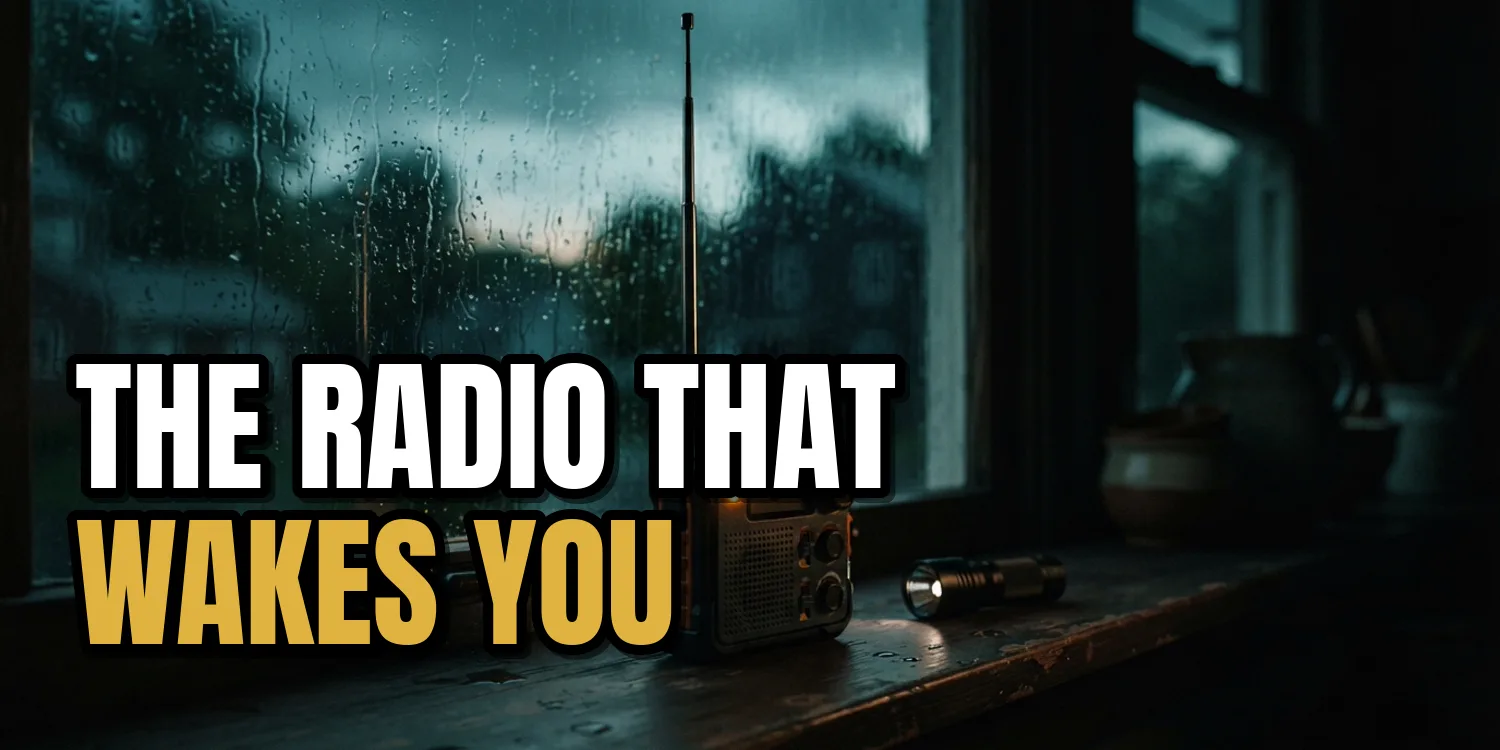
Ready.gov's basic emergency kit lists two radios: a battery or hand-crank radio, and a NOAA Weather Radio with tone alert (Ready.gov, build a kit). The second one is the item most households skip, because a phone already buzzes for storms. The difference shows up on the night the phone is dead, the tower is out, or everyone in the house is asleep. This guide explains what the service is, how an alert travels from the forecast office to your nightstand, which features on the box are worth paying for, and how to set the radio up so it works the first time it has to.
What NOAA Weather Radio actually is
NOAA Weather Radio All Hazards is a government network of more than 1,000 transmitters covering all 50 states, the coastal waters, Puerto Rico and the American territories in the Caribbean and the Pacific. Each one broadcasts "continuous weather information directly from the nearest National Weather Service office," 24 hours a day (National Weather Service, NOAA Weather Radio). Between warnings you hear a looping forecast, current conditions and river or marine reports, read by a synthetic voice.
The "All Hazards" part matters to this site's readers. Working with the FCC's Emergency Alert System, the network also carries warnings for earthquakes, chemical releases, oil spills, AMBER alerts and 911 outages, issued by federal, state and local emergency managers. In a grid-down event that starts with something other than weather, this is one of the channels officials will use to tell a county what to do.
The broadcasts sit on seven VHF frequencies: 162.400, 162.425, 162.450, 162.475, 162.500, 162.525 and 162.550 MHz. A regular AM/FM radio cannot tune them. You need a receiver built for those channels. Dedicated alert radios have them, and so do many crank radios, scanners, marine radios and FRS/GMRS handhelds.
How an alert gets from the forecast office to your bedside
The Weather Service describes a four-step sequence for every alarmed message (NWS, NWR alarms). First comes a short digital burst called SAME, for Specific Area Message Encoding, which carries the type of message, the counties it covers and when it expires. Then a 10-second alarm tone at 1050 Hz. Then the spoken message: the hazard, the area, the time it is valid and details such as storm movement or spotter reports. Last, a closing digital burst, and the normal broadcast loop resumes.
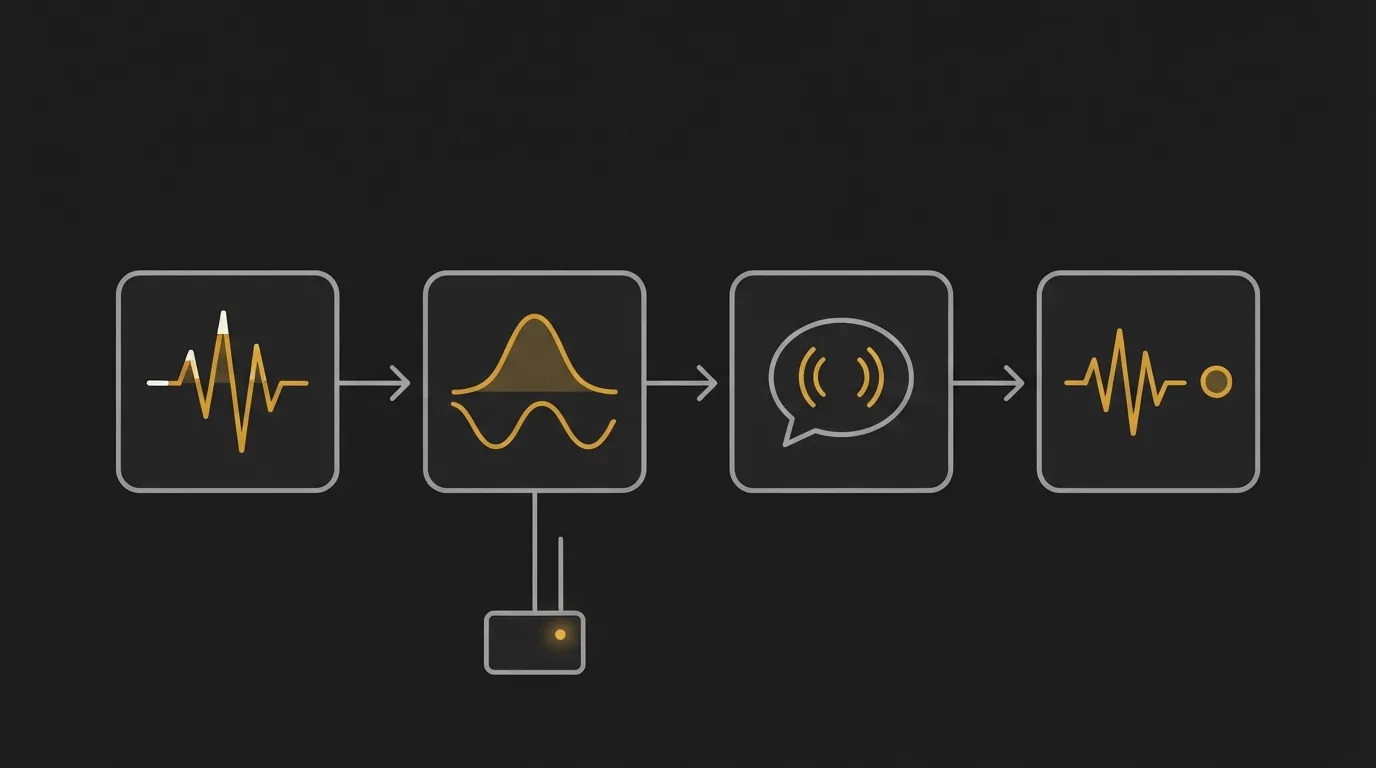
A radio left in standby or alert mode stays muted through all the forecasts and only switches on for that sequence. Depending on the model, it wakes on the tone or on the SAME code. That is the whole reason to own one: it does not need anyone to be listening.
Not every message triggers the alarm. The Weather Service's guideline is to alarm only for hazards "urgent enough to warrant waking people up in the 'middle of the night'," such as tornado, flash flood and severe thunderstorm warnings. A winter storm watch three days out goes into the regular broadcast without the tone, so the radio stays quiet for it.
Why it still works when the grid and the phones don't
Phone alerts depend on the cell tower near you. Towers run on batteries for hours, sometimes a generator, and in a long outage they fade. After Hurricane Maria, the FCC counted 95.2% of Puerto Rico's cell sites out of service two days in. A weather radio needs only its own batteries and a transmitter within range, and the transmitter is government property built for exactly this.
It also covers the gap that a phone covers badly: the sleeping household. Phones get silenced at night, left on chargers in the kitchen, or run flat in the first day of an outage while people use them for light. A dedicated receiver on the nightstand runs for days on a set of AA batteries in standby, and it is loud on purpose.
A weather radio is a one-way device, though. It tells you what is coming and what officials want you to do, and it cannot carry a word back out. Reaching family takes the handheld radios and the plan covered further down.
Which features matter, in order
The Weather Service does not endorse brands, but it does say which features are most useful and recommends looking for receivers carrying the Public Alert or NOAA Weather Radio All Hazards logo (NWS, receiver consumer information). Devices with the Public Alert logo meet a standard written by the Consumer Technology Association with the Weather Service, CTA-2009-C, and that standard makes several of the features below mandatory. The agency puts receiver prices at around $20 to over $100, depending on features. Here is how I'd weigh them.
Tone alert
This is the non-negotiable one. The tone alarm "will activate all the receivers equipped to receive it, even if the audio is turned off," which the Weather Service calls "especially useful for warnings during the night." A radio without it is a receiver you have to remember to switch on, and nobody switches on a radio at 2 a.m. for a storm they do not know about yet. Public Alert certification requires it.
SAME county coding
One transmitter typically covers 5 to 10 average-sized counties. A tone-only radio goes off for all of them, and a household that gets woken up for a storm two counties away will eventually unplug the thing. SAME lets you program the counties you care about, so the radio responds "only to alerts issued for the area (or areas) you have selected." That keeps it plugged in. Public Alert certification requires SAME as well.
SAME still works by county, and a big county is big. Storm chasers and scanner hobbyists on long-running forums point out that a county a hundred miles across can still sound the alarm for a cell that never comes near you. Some areas now use partial-county codes, which the Weather Service lists with the county codes.
Event blocking
Some receivers let you switch off the alarm for specific message types. The Weather Service's own example: a household in a coastal county that lives well inland may not care about coastal flood warnings. Manuals sometimes call this event blocking or "defeat siren." It is optional under the Public Alert standard, and it is the feature that keeps a radio in a busy-weather county from being unplugged in its first spring.
Battery backup
"Since power outages often occur during storms, having a receiver with battery backup can be crucial," the Weather Service says, and it recommends keeping a desk unit on AC power the rest of the time to save the batteries. A desk receiver should switch to its batteries by itself when the outlet dies, without anyone pressing a button. Public Alert requires backup batteries on radios.
An external antenna jack
Reception is the most common complaint, and the Weather Service says plainly that the cheapest models are usually the ones with problems (NWS, reception problems). A jack for an outside antenna fixes a weak signal in a basement, a steel-framed building or a valley. The agency notes an antenna made for analog VHF TV or FM radio should work, since the weather band sits between TV channels 6 and 7.
A jack for a strobe or bed shaker
For a household member who is deaf or hard of hearing, a radio with an accessory jack can drive a strobe light or a bed shaker. It is optional on consumer receivers. If someone in your house would sleep through a 10-second tone, put this feature at the top of your list.
On portable radios: power sources and the crank
Crank radios with a weather band are what most kits hold, and they are useful as the second radio. Treat the crank as the last resort. One reviewer measured about a minute and a half of play from two minutes of cranking on a budget model (Top Ten Reviews), and gun and outdoor magazines that review these radios make the same point about crank gears wearing out. A model that takes ordinary AA batteries as well as its built-in pack is the one to keep. Many crank radios also lack SAME and a true standby alert, so read the spec sheet for the words "alert" and "SAME" before you count one as your warning radio.
Desk receiver or portable: which one a household needs
The Weather Service draws the line simply. If you want to be alerted day or night, a standalone receiver works best. If you only want to tune in and hear the broadcast, a multi-band radio that also tunes the NOAA channels is enough.
For most families that means two radios with different jobs. A SAME desk receiver with battery backup lives where people sleep, plugged in, set to alert mode, and never touched. A portable AM/FM radio with weather channels goes in the kitchen kit or the bug-out bag, for news and the forecast when you are moving or the house is dark. If you already carry FRS or GMRS handhelds with a weather channel, they cover the listening side on the road, though few of them alarm for warnings.
How to set one up so it works the first time
A weather radio straight from the box does not know where you live. Setting it up takes ten minutes, and it is the step most often skipped.
- Find your station and your code. The Weather Service lists every county's six-digit SAME code and its transmitter frequency by state (NWS, using NWR SAME). It also reads them out by phone at 1-888-NWR-SAME (1-888-697-7263), or texts them if you send "Go" to the same number. Look yours up while the internet works.
- Program the transmitter the county list names. The Weather Service is blunt about this: do not pick a station because it sounds louder or clearer if it is not the SAME channel for your county. "You will not receive alerts."
- Add the counties upwind. Storms in most of the country arrive from the west or southwest. Adding the neighboring county in that direction buys warning time, at the cost of a few more alarms.
- Put it where it hears the signal. Range runs about 40 miles from the transmitter on level ground. Hills, forests and city concrete cut it, and salt water extends it. The Weather Service suggests a window facing the station, an upper floor, and a spot away from other electronics. Moving a radio a few feet can turn a weak signal into a strong one.
- Wait for the Wednesday test. Stations normally sound a test of the alarm each Wednesday between 10 a.m. and noon local time, moved to the next good-weather day if storms threaten (NWS, alarm test procedures). If the radio sits silent through a test, fix the programming or the placement now.
- Write the frequency down. Put your station's frequency on the family plan sheet. Our printable family plan has a line for it, so anyone in the house can set up a second radio in the dark.
Change the backup batteries on a date you will remember, such as the clock change in spring and fall, and keep a spare set taped to the bottom of the radio.
When the station itself goes quiet
The network is built to stay up, but it is not immune. The Weather Service's own status page lists transmitters as "out of service" for problems "such as a power outage, antenna damage." In spring 2025 the agency took stations offline for days at a time to update forecast-office software. Radio World reported that at one point 88 transmitters were out of service, and that in upstate New York a tornado warning and at least 10 severe thunderstorm warnings went out while the local stations were off the air (Radio World, June 2025). A NOAA spokesperson's advice in that piece was direct: "NOAA shouldn't be your only way."
So the weather radio is one layer of the federal alert system, and our guide to how emergency alerts reach you when the power is out shows how it sits beside phone alerts and broadcast EAS. Phone alerts cover you while towers stand, local AM and FM stations carry the Emergency Alert System and often run on generators, and neighbors with radios of their own pass along what they hear. In a long grid-down, the AM/FM radio becomes the news source and the weather radio stays on the nightstand as the alarm. Our guide to surviving a long power outage covers what else the house needs once the outage runs past the first few days.
Where the weather radio fits in the family comms plan
Think of household communications in two halves. The listening half is the weather radio and the AM/FM radio: free, license-free, one-way, and working with no towers. The talking half is the handheld radios, the out-of-area contact and the check-in times. Our guide to FRS vs GMRS vs ham radio covers which handhelds a family needs, and our walkthrough on how to write a family communication plan shows how the person at home can tune the radios between check-ins and relay what they hear.
One practical rule belongs in the written plan: when the weather radio alarms, everyone in the house goes to it, and whoever is out gets the message at the next check-in. Satellite internet, where a household has it, sits on top of all this for reaching people and news outside the blackout, as our piece on whether Starlink works when the grid goes down explains.
My take: the bedside radio first
If you own nothing yet, I'd start with a desk receiver carrying the Public Alert logo, with SAME and battery backup, and put it in the room where the adults sleep. That one purchase covers the risk a phone handles worst: a tornado or flash flood warning at night, in an outage, with the phone silenced or flat. Program it the day it arrives and let the Wednesday test prove it.
The crank radio comes second, as the portable news radio for the kit, and I would not count one as your warning radio unless the box says SAME and alert mode. Skip the gadgets on the feature list that do not change what happens at 3 a.m.: flashlights, phone charging and Bluetooth are nice to have and decide nothing. Then put the station's frequency on the family plan, so the knowledge does not live in one person's head.
Frequently asked questions
Can an ordinary AM/FM radio pick up NOAA Weather Radio?
Does a weather radio need the internet or a subscription?
How do I know the alarm on my radio works?
What SAME code should I program?

Written by
Walt Brenner
Grid-down threats, home security and family plans
Walt Brenner is the pen name of the writer who covers grid-down threats, home security and family emergency plans for Dark Grid Prep. He draws on FEMA and Ready.gov guidance, utility and government reports, manufacturer manuals and long-running prepper forums, and he says plainly where those sources disagree. His beat is the household: what a family of four in a suburb or on a rural lot should have, know and do before the lights go out.
Last checked 2026-11-13
Comments
No comments yet. Questions and your own experience are welcome.
Thank you. Your comment will appear once it has been reviewed.